Harvey Xia
Back to projects

Blender MCP AI

AI-to-tool integrationOpen source

Connecting a natural-language request to an application that can act on it.
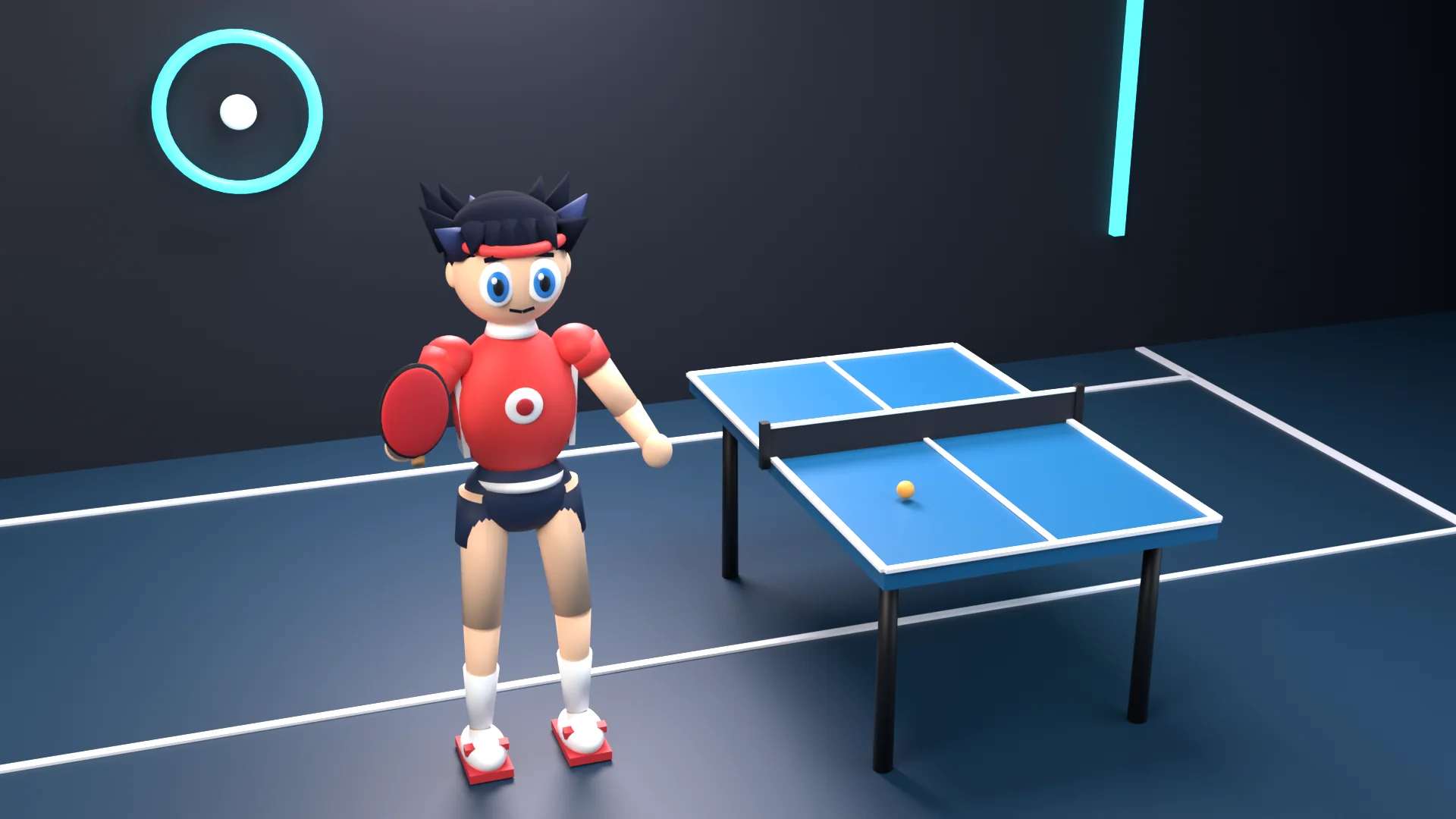
Stylized table-tennis athlete rendered in Blender through the current addon executor
Example project render · A tool-integration experiment

A Python MCP server and Blender addon connect compatible AI clients to Blender operations through a local command bridge.

Status
Open source
AI in the product
MCP bridge from AI clients to Blender
Evidence
Source code and an example render
Limits
Tool success is not creative quality

The integration question

How does an assistant move from describing a 3D task to invoking an inspectable operation inside Blender?

The implementation shape

An MCP client talks to a FastMCP server; a local TCP bridge passes commands to an addon that uses Blender’s Python API. The repository exposes the architecture and operation definitions.

The boundary

Successful tool execution is not the same as a good creative result. Outputs still need human inspection; the render shown here is an example artifact, not evidence of customer delivery.
Explore Blender MCP AI
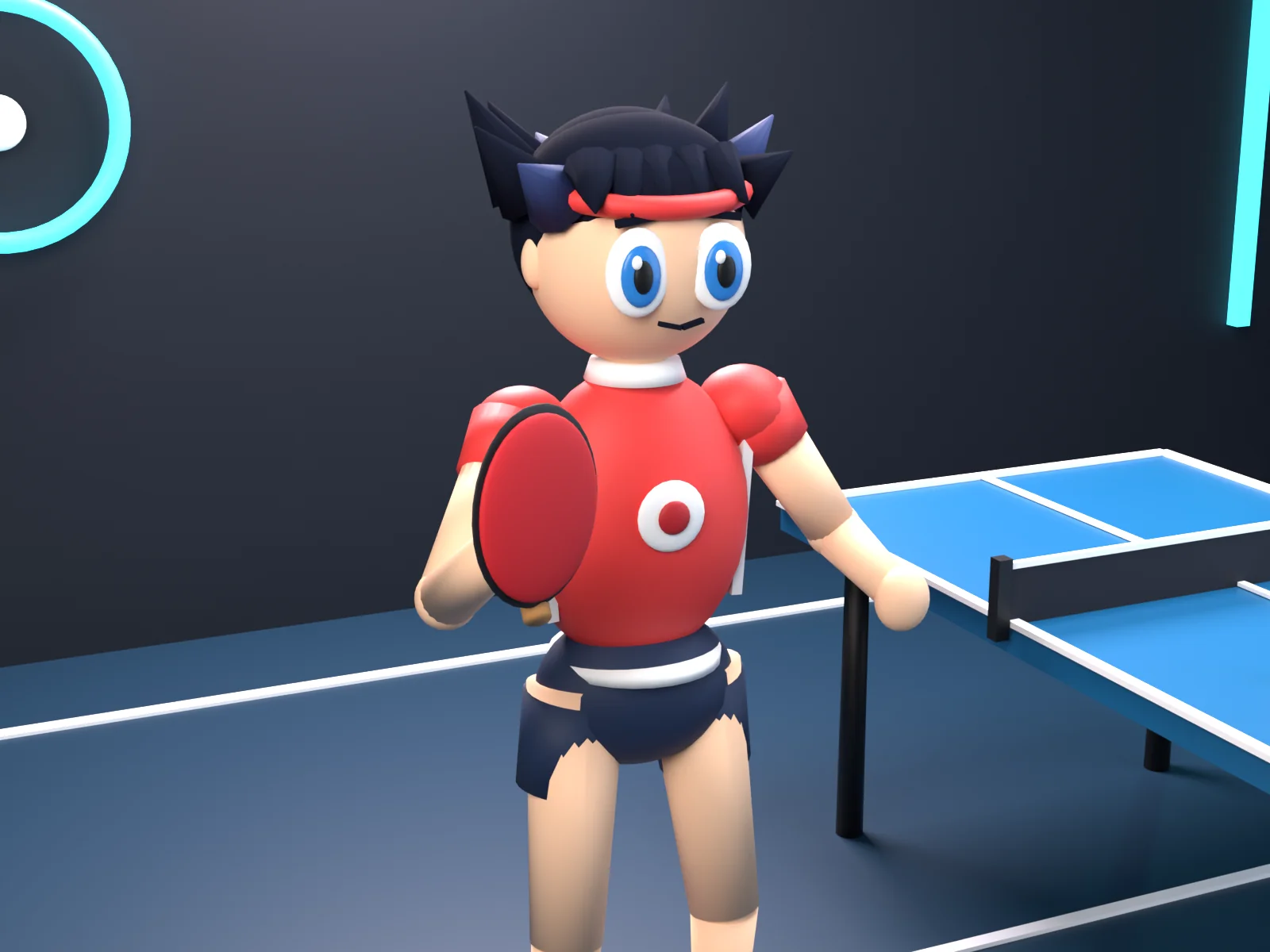
Same scene, a closer camera view · Actual Blender render, 2 November 2026

Dated implementation evidence

  1. Restore object mode after handler operations and return structured errors.

    View commit · 5f2e1c9
  2. Add a guided scene-building tour to make the tool pipeline inspectable.

    View commit · d274e09
  3. Re-render an existing athlete scene through the current addon's command executor: Cycles, 96 samples, 1920 × 1080. Save a second detail view and the invocation record.

Verification and limits

These are actual Blender renders of a project scene, not image-generator substitutes or customer work. This capture invokes the addon executor directly; it does not certify a new end-to-end MCP transport session. Uncommitted local changes were left intact.

AI collaboration: attribution boundary

The records below show implementation and review outcomes. They do not record a complete prompt history or identify human versus AI authorship of individual changes. Commit history alone cannot establish that split; no percentage of authorship is claimed.